
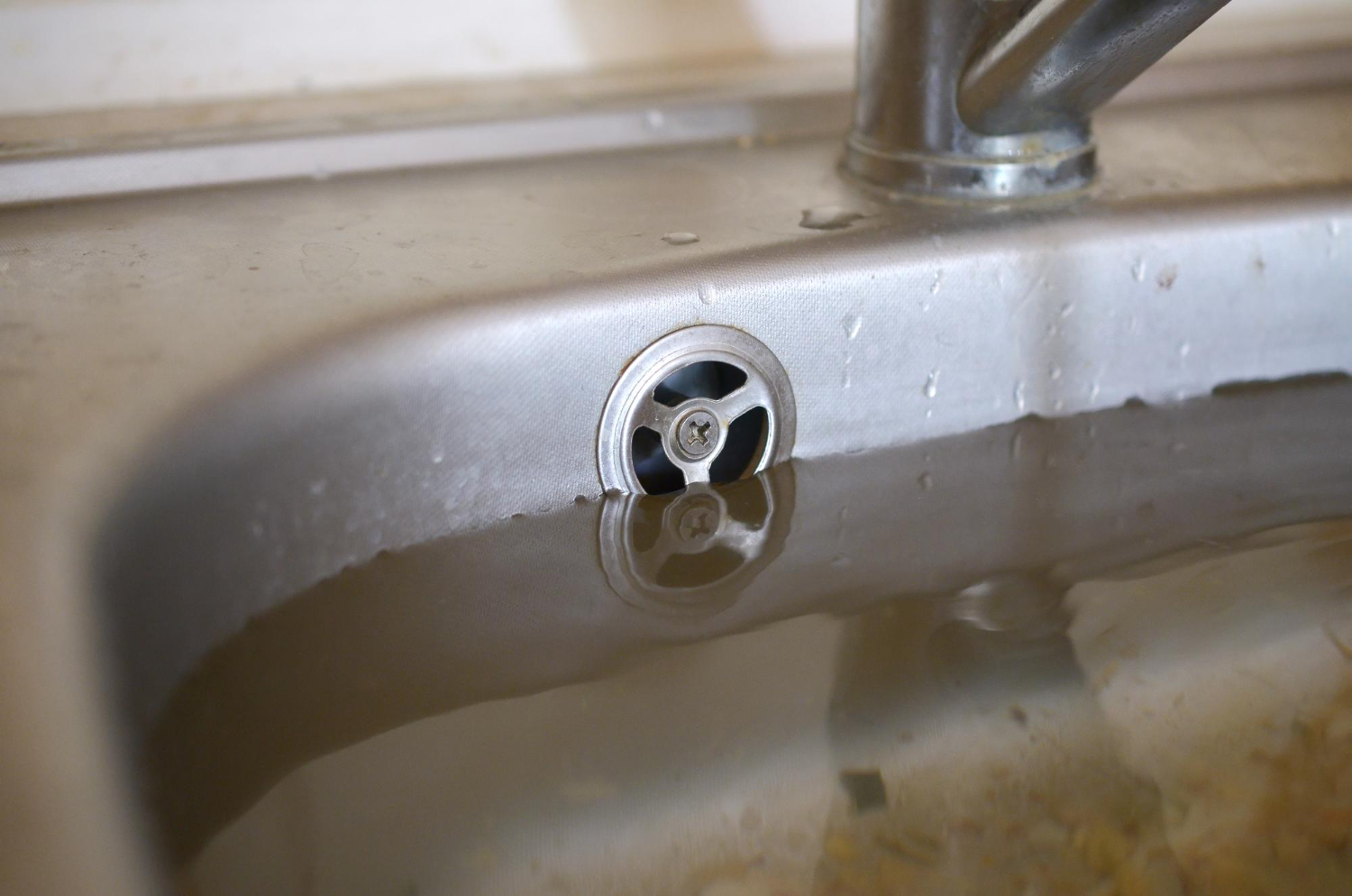
Summer is the busiest season for drain cleaning calls in the CSRA—more people home, more cooking, more guests, and more water use put extra load on residential plumbing. Kitchen and bathroom drains that were fine in spring can start slowing down or backing up by August. Here’s what causes it and how to handle it.
Why Summer Puts More Strain on Your Drains
Summer routines can be harder on a home’s plumbing than most people realize. Kids are home more often, visitors may stay for weekends or holidays, and kitchens and bathrooms simply get more use. More showers, more laundry, more dishes, and more meals prepared at home all send additional water and debris through the same drain lines.
A drain that already has a partial buildup may seem perfectly manageable during a quieter season. Add several busy summer weeks, though, and that narrow opening can become a slow drain, a backed-up sink, or a shower that takes far too long to empty. For homeowners in Aiken, SC, North Augusta, SC, Augusta, GA, and throughout the CSRA, summer drain trouble is often the result of gradual buildup finally reaching its limit.
The Most Common Culprits by Drain Type
Different drains collect different materials, which is why the right fix depends on where the problem is happening.
Kitchen drains:
Grease is one of the biggest causes of a kitchen drain clogged near me search. Even if grease looks liquid when it goes down the sink, it can cool and cling to the inside of the pipe. Over time, food scraps, coffee grounds, soap residue, and other debris stick to that layer. The result is a stubborn clog that may return after a temporary fix.
Bathroom drains:
Hair and soap buildup are the usual offenders in tubs, showers, and bathroom sinks. Mineral content in the water can also contribute to residue that collects inside fixtures and drain lines. A slow bathroom drain may start as a minor annoyance, then become a complete blockage once more hair and soap collect around the buildup.
Main sewer lines:
When multiple drains are slow or backing up at once, the issue may be farther down the line. Tree roots can grow toward moisture around underground pipes and enter through small openings or weak joints. Aging pipes can also be a concern in parts of the CSRA with older housing stock. These issues require more than a sink plunger.
DIY Steps That Are Actually Worth Trying
There are a few simple steps homeowners can try before calling a plumber. For a sink or tub that is draining slowly, start by removing visible hair or debris from the stopper or drain opening. A plunger can also work well for a small, localized clog, particularly when there is enough water in the fixture to create a seal.
For a kitchen sink with a minor grease-related slowdown, carefully flushing the drain with hot water may help loosen fresh buildup. Avoid pouring large amounts of boiling water into plumbing if you are unsure about the pipe material or condition. And skip harsh chemical drain cleaners whenever possible. They may not remove the real obstruction, can be unsafe to handle, and may create complications for your pipes or for a plumber working on the line later.
If the clog returns quickly, water is not moving at all, or you have already tried basic methods without improvement, it is time to stop experimenting. Recurring clogs usually mean the buildup is deeper in the line than a quick DIY method can reach.
When It Is Time to Call a Plumber
A single slow drain can sometimes be a small local issue. But certain signs point to a larger problem that should be checked by a professional:
- More than one sink, tub, or toilet is draining slowly.
- Water backs up in one fixture when another fixture is used.
- You hear gurgling from drains or toilets.
- There are recurring clogs in the same drain.
- There is a sewage odor, standing wastewater, or a backup in a tub or shower.
Those symptoms may indicate a blockage in a branch line or the main sewer line. Southern Plumbing & Electrical Company Inc. can identify the source of the problem and recommend the right repair instead of repeatedly treating the symptom.
What Professional Drain Cleaning Involves
Professional Drain Cleaning
is designed to remove buildup where household tools cannot reach. One common method uses a flexible cable with the right attachment to break up or retrieve material causing the blockage. This is often effective for hair, soap buildup, food debris, and many routine clogs.
For certain lines and heavier buildup, a plumber may recommend hydro-jetting. This method uses controlled high-pressure water to clear grease, sludge, and debris from the inside of the pipe. The best option depends on the type and location of the clog, as well as the condition of the plumbing. A professional should assess the line before choosing an approach.
When a Video Drain Inspection Makes Sense
If your drain problems keep returning, a Video Drain Inspection
can take the guesswork out of the next step. A small camera is sent through the pipe so the plumber can see what is causing the issue. This can be especially helpful when a main line problem, roots, damaged pipe, or repeated obstruction is suspected.
For Southern Plumbing & Electrical Company Inc., the goal is not to oversell a solution. It is to give Aiken, North Augusta, Augusta, and CSRA homeowners a clear picture of what is happening inside the line so they can make a practical decision.
Drain backing up and the simple fixes aren’t holding? Southern Plumbing & Electrical Company Inc. handles same-day drain cleaning across the CSRA. Aiken: 803-649-5160, North Augusta: 803-279-9941, Augusta: 706-868-6661.
FAQ
Why does my kitchen drain keep clogging?
Kitchen drains commonly clog because grease, food particles, soap residue, and coffee grounds collect inside the pipe. If the same sink keeps clogging, the buildup may be farther down the drain line and need professional cleaning.
What causes slow drains in Aiken, SC homes?
Slow drains are often caused by hair, soap, grease, food debris, or mineral buildup. If several drains are affected at once, the problem may involve a larger branch line or the main sewer line.
Can I fix a clogged drain myself, or do I need a plumber?
A plunger and removal of visible debris can resolve a minor clog. Call a plumber for recurring backups, multiple slow drains, gurgling sounds, or any sign that wastewater is backing up into tubs, showers, or sinks.
Questions About Something in Your Home?
These articles are a starting point. If you've read something here and want a straight answer about your specific situation, call us. We've been working in CSRA homes since 1987 and we're happy to help you figure out next steps — no obligation.
