How Can You Tell If You Have a Hidden Plumbing Leak in Jackson, SC?
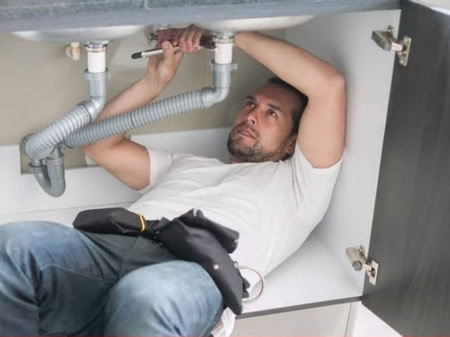
If you suspect a hidden plumbing leak in your Jackson, SC home, you are not alone. Our region’s warm, humid climate and mix of slab and crawlspace foundations can let leaks linger out of sight. When in doubt, schedule professional plumbing repairs so small issues don’t become major water damage. Below you’ll learn the most common signs, why they happen, and how a pro tracks down the source fast.
What a Hidden Leak Looks Like in a Jackson, SC Home
Hidden leaks rarely make a dramatic splash at first. In Jackson and nearby communities, many homes have crawlspaces, utility rooms off the carport, or older bathrooms that hide supply lines in tight cavities. That means moisture can build behind walls, under vinyl, or beneath insulation before you ever see a drip.
Summer humidity here makes it even easier for damp spots to hang around. If a pipe pinhole or a failed wax ring lets water escape, the warm air slows evaporation and odors get stronger over time. In colder snaps, minor expansion and contraction can worsen tiny weaknesses in fittings and valves.
Leak Detection Signs You Can Notice Early
These clues point to moisture where it does not belong. One sign alone may not prove a leak, but two or more together should get attention quickly.
- Unexplained spike in your monthly water bill compared to your normal seasonal use
- Musty, earthy odors near baseboards, closets, or under sinks that persist after cleaning
- Paint or drywall bubbling, soft spots, or hairline cracks spreading across the same area
- Flooring that cups, buckles, or feels warm in one path compared to the rest of the room
- Recurring mildew on bathroom walls even with regular ventilation
- Active insect trails or ants drawn to damp wood around thresholds or window trim
- Gentle hissing or dripping sounds in quiet rooms when no fixtures are running
Remember, musty odors are not normal. Odor means moisture has been present long enough to interact with materials. Even if you cannot see the water, materials may be absorbing it behind the surface.
Why Water Bills Spike and What It Means
A sudden bill jump is one of the clearest red flags. Short showers, laundry routines, or guests usually do not create a big swing month to month. Common causes include a running toilet, a weeping supply line, or a slow but constant leak in a slab or crawlspace. If the increase continues for several billing cycles, the water is likely escaping full time, not just during use.
It is also common to see a smaller rise at first, then a larger jump later. That pattern suggests the leak widened or a valve further deteriorated. Small leaks rarely stay small. Catching the problem early helps protect floors, cabinets, and framing.
Where Hidden Leaks Tend to Hide in Older and Newer Homes
Crawlspaces and Utility Rooms
Supply lines running along the floor joists can drip for days before any sign reaches the living space. You may notice a damp, earthy smell through floor vents or in back bedrooms on humid days. Staining on the subfloor around toilets or tubs often starts as a faint shadow and grows darker over time.
Slab Foundations
With a slab, water from a leaking line often follows the path of least resistance under flooring. You might feel a warmer strip across tile or see grout darken along one line. Adjacent baseboards may swell or separate at the seams without a clear spill.
Bathrooms and Kitchens
Sinks, dishwashers, and ice-maker lines can seep from fittings tucked in tight cabinets. Dripping can wick into the cabinet base and then into the wall cavity. Look for swollen particleboard, peeling contact paper, or the faint ring left by a puddle that came and went.
Irrigation and Exterior Lines
Outdoor leaks are easy to miss. A soft, persistently green patch near the foundation or a section of mulch that never quite dries can be the giveaway. If the leak is before the shutoff to the house, it can run 24/7 and still leave your interior looking fine for weeks.
The Risks of Waiting: Water Damage and Mold
Moisture erodes materials quietly. Drywall loses strength, fasteners rust, and wood swells, which can throw doors and trim out of alignment. Prolonged dampness also supports microbial growth that affects indoor air quality. In bathrooms and laundry rooms, hidden leaks can telegraph into surrounding spaces, including hallways and adjacent bedrooms.
Electrical components are another concern. Water and electricity do not mix. Leaks near appliances, outlets, or lighting can damage wiring and fixtures, creating hazards and more costly repairs later.
Local Insight: Jackson’s summer humidity means damp areas dry slowly. A small drip under flooring can keep subfloor materials wet for days, inviting odor and warping. Catching moisture early prevents long-term damage that is harder to see until it spreads.
How Pros Track Down a Hidden Plumbing Leak
Professional leak detection blends training with specialized tools. The goal is to confirm moisture, locate the source, and recommend the cleanest repair path without tearing up half the house. Here is how a licensed plumber typically approaches it:
- Moisture mapping to compare dry and damp areas across floors, walls, and trim
- Infrared thermography to spot temperature differences where water is cooling or warming surfaces
- Acoustic listening to isolate the sound of pressurized water escaping in walls or slabs
- Safe pressure testing on isolated sections to confirm which line is losing water
- Noninvasive camera inspection of drains when the source may be from a waste line
Once the source is confirmed, the repair plan aims to minimize disturbance. That might mean opening a small, strategic access panel instead of removing a whole wall. For slab issues, rerouting a short section of line above ground can be less invasive than opening long trenches through flooring. The right plan starts with an accurate pinpoint.
Moisture Clues Room by Room
Every home in Jackson, SC is unique, yet the patterns repeat. Use these room-based clues to help your pro focus quickly. This is not about fixing it yourself. It is about noticing what matters so the work can begin sooner.
Bathrooms: Grout lines that stay dark long after showers are done may indicate moisture wicking from below. A toilet that occasionally refills without being used can lose water from the tank to the bowl through a worn part you cannot see.
Kitchens: Under-sink shelves that bow or stain around the back corner often point to a slow drip at the supply valve. A refrigerator that shows thin ice sheets near the bottom could have an ice-maker line issue behind it.
Laundry rooms: Dye transfer on baseboards or a fuzzy line of mildew behind the washer is a common early sign. Hoses and valves hidden by appliances can mist or weep just enough to keep the wall damp.
Living spaces: A single warm path on tile or luxury vinyl in winter can hint at a hot-water line under the surface. In carpeted rooms, padding may feel firmer in a damp area as fibers bind together.
Preventing Future Leaks With a Professional Plumbing Inspection
Prevention is easier than restoration. A periodic plumbing inspection checks high-risk spots, confirms that shutoffs work, and flags aging supply lines. In Jackson’s climate, where materials expand and contract through the seasons, proactive checks help catch minor issues before they quietly undermine finishes.
Homeowners often pair a routine visit with other plumbing services like fixture updates or replacing brittle supply lines in hard-to-reach cabinets. An inspection also supports water damage prevention by confirming that drains, traps, and vents are moving moisture out of the home as designed. If a concern is found, timely plumbing repairs keep the fix focused and controlled, reducing the chance of secondary damage.
Common Misconceptions That Delay Repairs
“I do not see water, so it must be fine.” Hidden leaks often travel laterally through materials, so wet spots can appear far from the source. “It only happens after long showers.” In reality, slow leaks do not wait for showers; they continue around the clock. “Fans will take care of it.” Fans move air but do not resolve the leak itself.
Another myth is that a high water bill only means outdoor overuse. While irrigation leaks do happen, indoor fixtures and under-slab lines are frequent culprits. If your bill jumps without a clear reason, assume a leak until proven otherwise.
When to Call a Plumber in Jackson, SC
Call as soon as multiple signs stack up, or if one concerning sign persists for more than a few days. The longer water moves where it should not, the more it compromises finishes, subfloors, and air quality. A fast response limits disruption and can reduce the scope of the eventual repair.
For many homeowners, the peace of mind is worth it. A licensed professional can confirm what is happening, explain your options, and outline a clean plan to restore your space. If family members are noticing odors, if doors start to stick, or if flooring changes shape, it is time to get help.
Ready for Professional Leak Detection and Repair in Jackson, SC?
If you think there is a hidden plumbing leak in your home, reach out to Southern Plumbing & Electrical today. Our team specializes in residential plumbing repair and thorough plumbing inspection so you can protect your home and routines. For trusted help close to home, call 803-649-3516 or learn more about focused plumbing repairs that stop damage at the source.
Not sure where to start? Begin with an overview of our local services and what we do for homeowners who need help with a hidden plumbing leak in Jackson, SC. When you are ready, we will confirm the problem, explain your options in plain language, and get your space back to normal.
Your Trusted Source for Plumbing & Power Contact Our Plumbers & Electricians in Aiken & Augusta!